- -10%
Taxes will be calculated on the final step of your checkout
Width: 15mm
Height: 45mm
Depth: 45mm
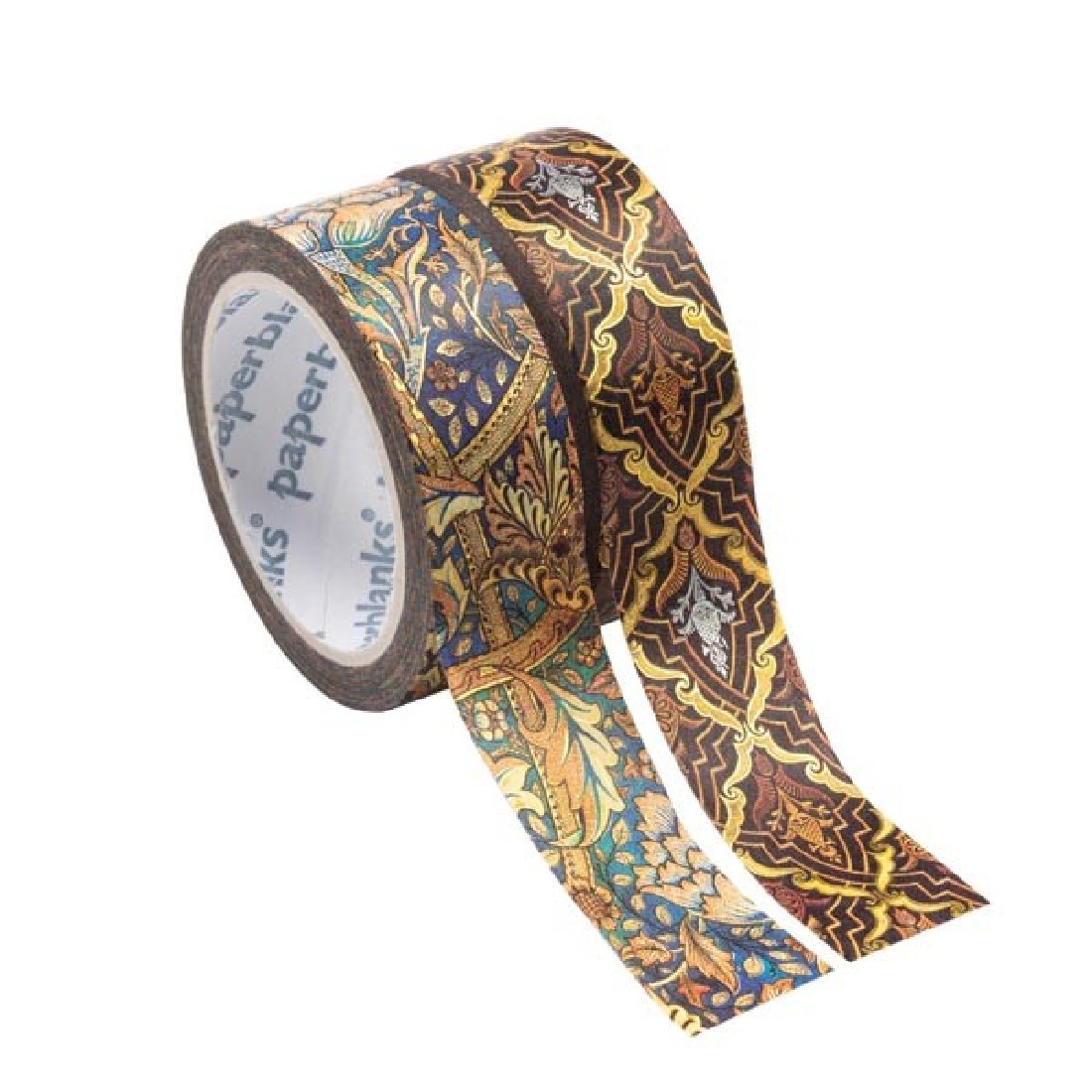
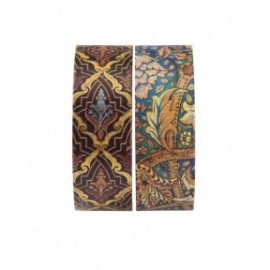
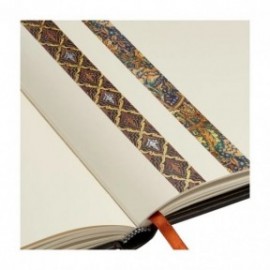
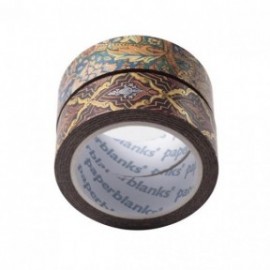
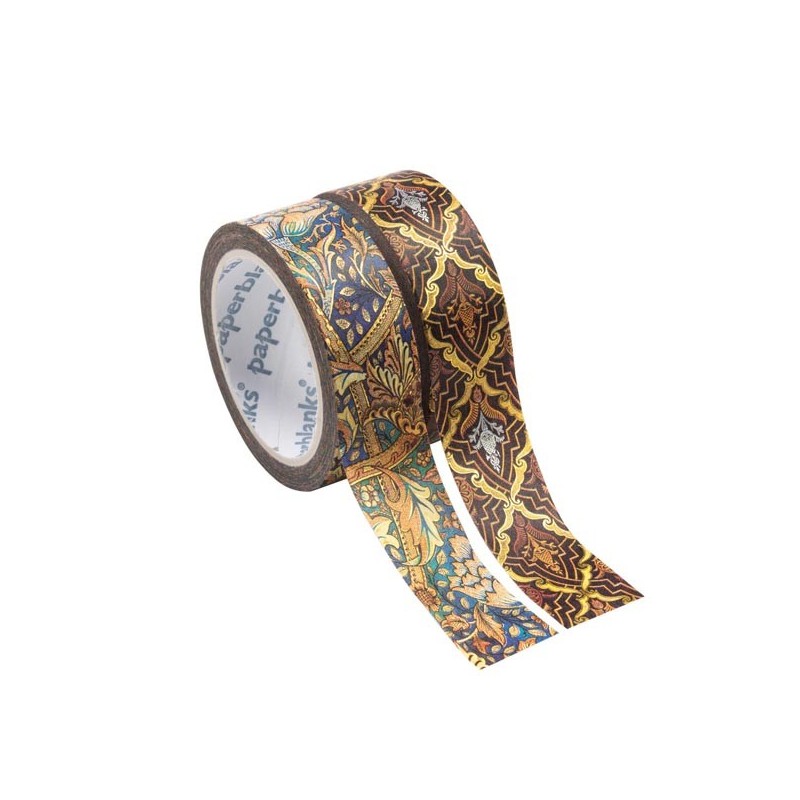
Authentic Japanese washi tape paper
Decorative metallic foiling
10 metres of high-quality patterned tape per roll
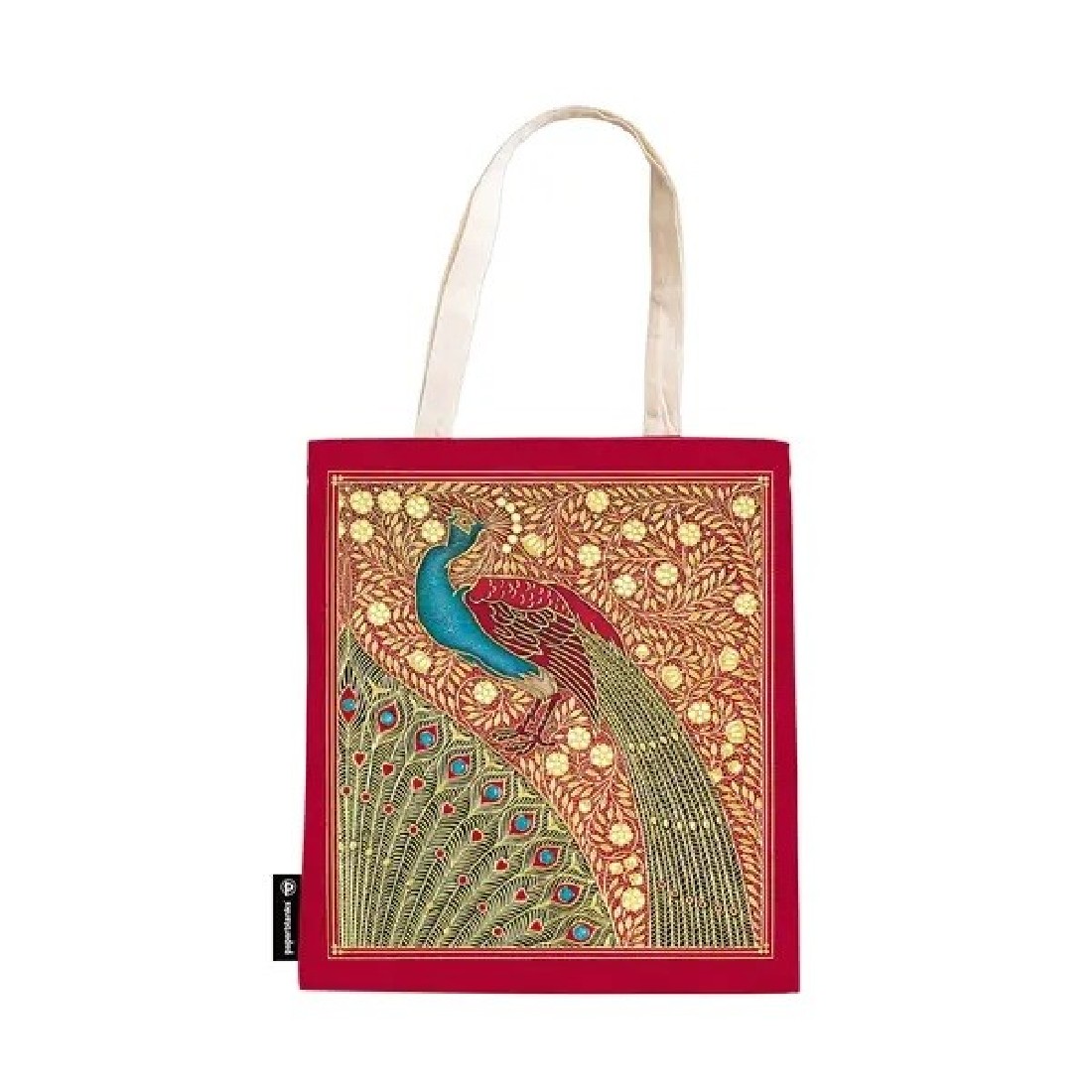
Voltaire’s Book of Fate: Destiny This design originally housed Voltaire’s Zadig, or The Book of Fate. First published in 1747, it tells the story of Zadig, an ancient Babylonian philosopher. In the work one finds the seeds of the modern detective story. There are few authors more influential and admired than Voltaire (1684–1778). His work especially appealed to late 19th-century France, which was recovering from an 1870 defeat by Prussia. The French people responded by focusing on objects of profound beauty and intellectual depth in order to showcase their dreams for the future. It is no small wonder that Zadig was chosen to be reprinted in this marvellous golden binding, crafted in 1893 by Chamerot et Renouard in Paris. William Morris: Morris Windrush William Morris (1834–1896) was one of the most celebrated practitioners of the Arts and Crafts movement. He embraced the ideal of craftspeople taking pride in their personal handiwork, as opposed to the dehumanizing onslaught of the Industrial Revolution’s mass production techniques. He famously said that any decoration is futile when it does not remind you of something beyond itself. Morris specialized in the ancient technique of hand woodblock printing to create his textile patterns and sought inspiration for his famous repeating patterns from the natural world and the decorative artists before him. The influence of “millefleurs” tapestries, early prints of herbs and the abundance of exquisite detail in medieval art can be appreciated in his works, like this Windrush design. His evocations of antique florals and plants have become classics of the decorative arts and were an early inspiration for our journal designs, gracing our covers from the very beginning.10 other products in the same category: