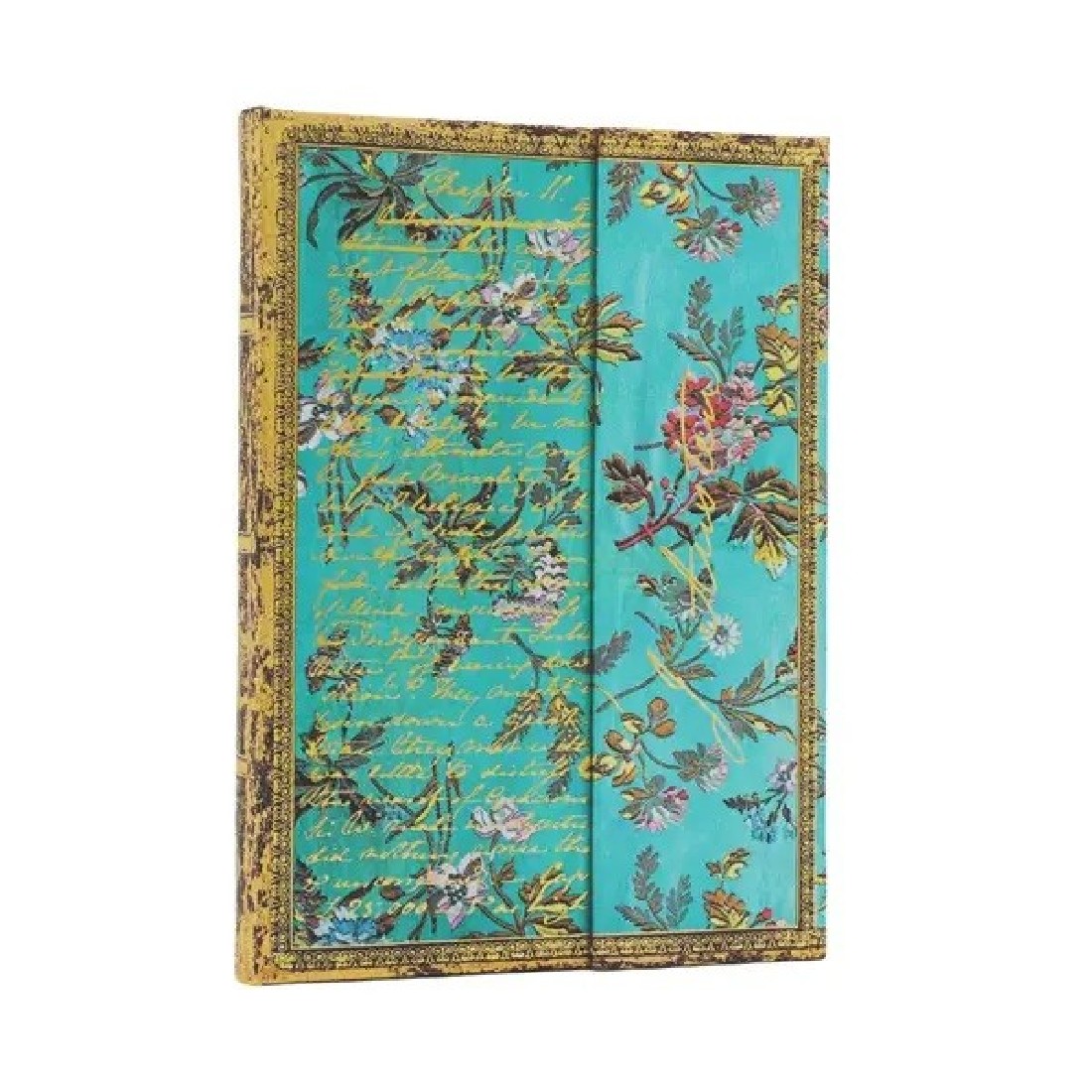
Paperblanks notebook Gaudi, The Manuscript of Reus, midi 13x18, ruled, hard cover
.
Paperblanks notebook Gaudi, The Manuscript of Reus, midi 13x18, ruled, hard cover
Reference:
9781439797808
€16.85
€15.17
Save 10%
Tax included
In Stock
Info
Taxes will be calculated on the final step of your checkout
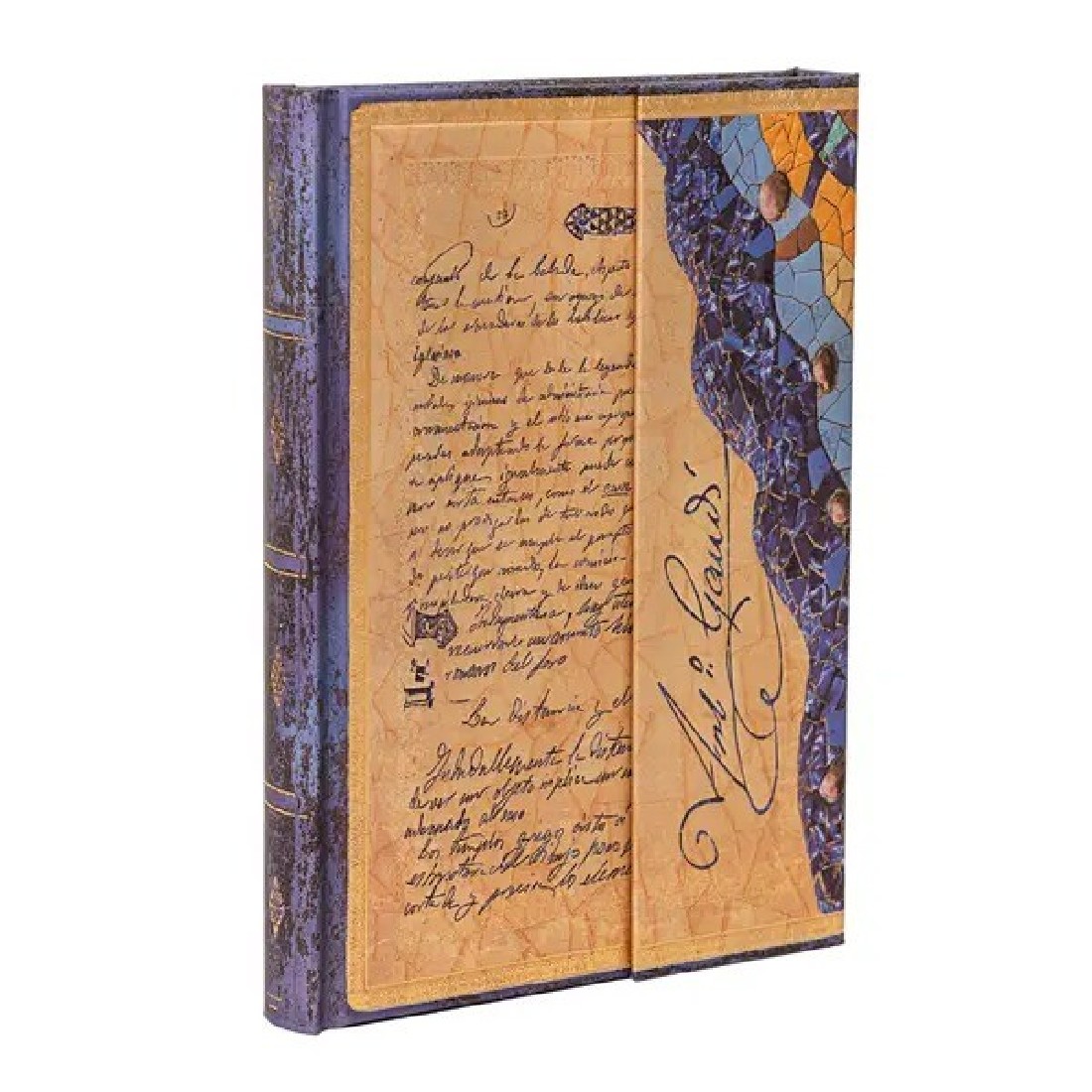
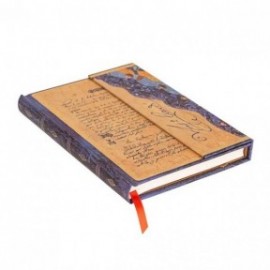
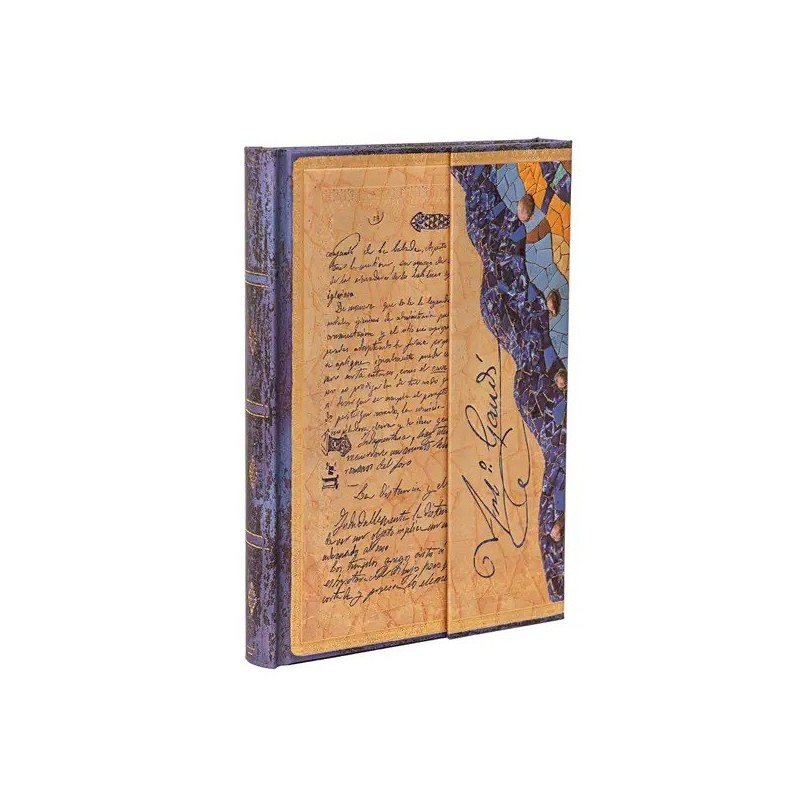
Antoni Gaudí was a Spanish architect who was known as a leading figure in Modernism. His style is characterized by the depiction of organic forms and extraordinary mosaics. Reproduced here is the Manuscrito de Reus alongside mosaics from his iconic salamander sculpture and an image of the Basílica de la Sagrada Familia.
Width: 130mm
Height: 180mm
Depth: 18mm
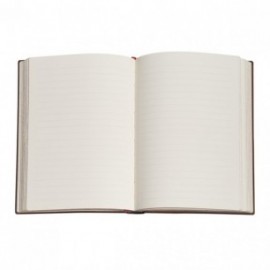
Interior: Lined
Space between lines: 6,67mm
Lines Per Page: 21
Page Count: 144 Pages
Closure: Elastic Band
GSM (paper weight): 120
Cover: wrap
Smyth Sewn
Memento Pouch
Interior Paper: Custom-designed laid paper
Ribbon Markers: 1
100% recycled binder boards
Decorative printed cover paper
FSC-certified text paper
Threaded stitching and glue, as needed
Acid-free sustainable forest paper
Antoni Gaudi (1852–1926) was a Spanish architect who was known as a leading figure in modernism and the pioneer of Catalan Art Nouveau. Gaudi’s work was greatly influenced by his passions in life: architecture, nature, and religion. His exceptional style is characterized by the depiction of organic forms, abstract lines, and extraordinary mosaics.
Gaudi rarely drew detailed plans of his works, instead preferring to create them as three-dimensional scale models and moulding the details as he conceived them. As such Gaudi left very few written documents, many of which were destroyed during the Spanish Civil War (1936–1939) following a fire set by anti-clerical groups that led to the destruction of the architect’s studio located inside the Sagrada Familia church in Barcelona. Reproduced here is the Manuscrito de Reus (Manuscript of Reus), the only remaining written document of Gaudi’s. The notebook is a kind of student diary in which he collected diverse impressions of architecture and decorating, putting forward his ideas on the subject. Included are an analysis of the Christian church and of his ancestral home, as well as a text about ornamentation and comments on the design of a desk. The manuscript is now kept at Reus Museum in his native Catalonia.